Opening your monthly electric bill only to discover a much higher amount than expected can be frustrating. While seasonal weather, rising electricity rates, and increased household energy use often play a role, hidden electrical problems inside your home may also be driving up your energy costs.
Many homeowners assume their utility company simply raised prices, but the real issue could be an inefficient appliance, outdated electrical wiring, or a problem with your home’s electrical system.
Below are the most common reasons your electric bill may be increasing—and what you can do to fix them.
1. An Aging HVAC System
Your heating and cooling system typically uses more electricity than any other appliance in your home.
As HVAC systems age, dirty coils, clogged filters, worn motors, or failing components force the system to run longer to maintain the desired temperature. This increased runtime leads to higher electricity consumption.
Tip: Schedule annual HVAC maintenance to improve efficiency and lower energy costs.
2. Loose Electrical Connections
Loose electrical connections create resistance, and resistance produces heat.
Although a loose connection alone may not dramatically increase your electric bill, it can:
- Waste electricity
- Damage electrical equipment
- Create a serious fire hazard
If you suspect loose wiring, contact a licensed electrician immediately.
3. Outdated Lighting
Still using incandescent or halogen light bulbs?
Switching to LED bulbs can reduce lighting energy consumption by up to 80% while lasting significantly longer.
Benefits include:
- Lower electric bills
- Less maintenance
- Better lighting quality
4. An Inefficient Water Heater
Electric water heaters account for a significant portion of home energy use.
Common issues include:
- Failed heating elements
- Faulty thermostats
- Sediment buildup
- Aging equipment
These problems force the water heater to operate longer than necessary, increasing electricity usage.
5. Aging Household Appliances
Older appliances lose efficiency over time.
Common energy-hungry appliances include:
- Refrigerators
- Freezers
- Dryers
- Dishwashers
- Washing machines
Replacing outdated models with ENERGY STAR® appliances can noticeably reduce your monthly electric bill.
6. Phantom Power (Standby Energy)
Many electronics continue consuming electricity even when turned off.
Common examples include:
- TVs
- Gaming consoles
- Coffee makers
- Phone chargers
- Computers
- Printers
- Streaming devices
This “phantom load” may seem small, but it adds up throughout the year.
Use smart power strips or unplug unused devices to reduce standby energy use.
7. Electric Space Heaters
Portable space heaters are convenient but consume large amounts of electricity.
Running one for several hours every day can significantly increase your monthly energy bill.
Whenever possible, rely on your home’s primary heating system instead.
8. Charging an Electric Vehicle
Electric vehicles naturally increase household electricity consumption.
If you’ve recently purchased an EV, your higher electric bill may simply reflect the additional energy required for charging.
Charging during off-peak hours may help lower costs if your utility offers time-of-use pricing.
9. An Outdated Electrical System
Older electrical panels and wiring weren’t designed for today’s energy demands.
Potential issues include:
- Overloaded circuits
- Loose wiring
- Aging electrical panels
- Outdated electrical components
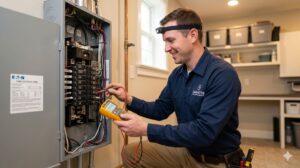
A professional electrical inspection can identify hidden problems before they become expensive repairs or safety hazards.
10. Changes in Household Energy Usage
Sometimes the explanation is simple.
Recent lifestyle changes can increase electricity consumption, including:
- Working from home
- Children staying home during summer
- Installing a hot tub
- Adding a second refrigerator or freezer
- Running a pool pump longer
- Spending more time indoors
Monitoring your energy habits can help identify where electricity is being used.
Signs Something May Be Wrong
Consider scheduling an electrical inspection if you notice:
- Sudden spikes in your electric bill
- Frequently tripping circuit breakers
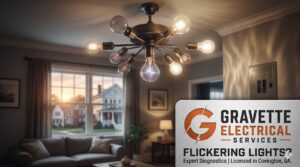
- Flickering or dimming lights
- Warm outlets or switches
- Burning smells
- Buzzing electrical panels or outlets
- Older electrical systems that have never been inspected
Ignoring these warning signs can lead to costly repairs—or even electrical fires.
How to Lower Your Electric Bill
Here are practical ways to reduce electricity usage:
- Replace incandescent bulbs with LED lighting.
- Unplug electronics when they’re not in use.
- Schedule annual HVAC maintenance.
- Upgrade to energy-efficient appliances.
- Set your water heater to an efficient temperature.
- Turn off lights and ceiling fans when leaving a room.
- Install a smart thermostat.
- Seal windows and doors to reduce heating and cooling loss.
- Schedule a professional electrical inspection if your energy usage suddenly increases.
Final Thoughts
A high electric bill isn’t always caused by higher utility rates. Hidden electrical issues, aging appliances, inefficient HVAC systems, and outdated wiring can quietly waste energy and increase your monthly expenses.
If your electricity usage suddenly rises without a clear explanation—or if you notice warning signs like flickering lights, warm outlets, or frequently tripping breakers—it’s wise to have your home’s electrical system inspected by a licensed electrician.
Addressing small electrical problems early can improve energy efficiency, lower your utility bills, and keep your home safe.